Cart
0
Your order is free delivery !
You may also like
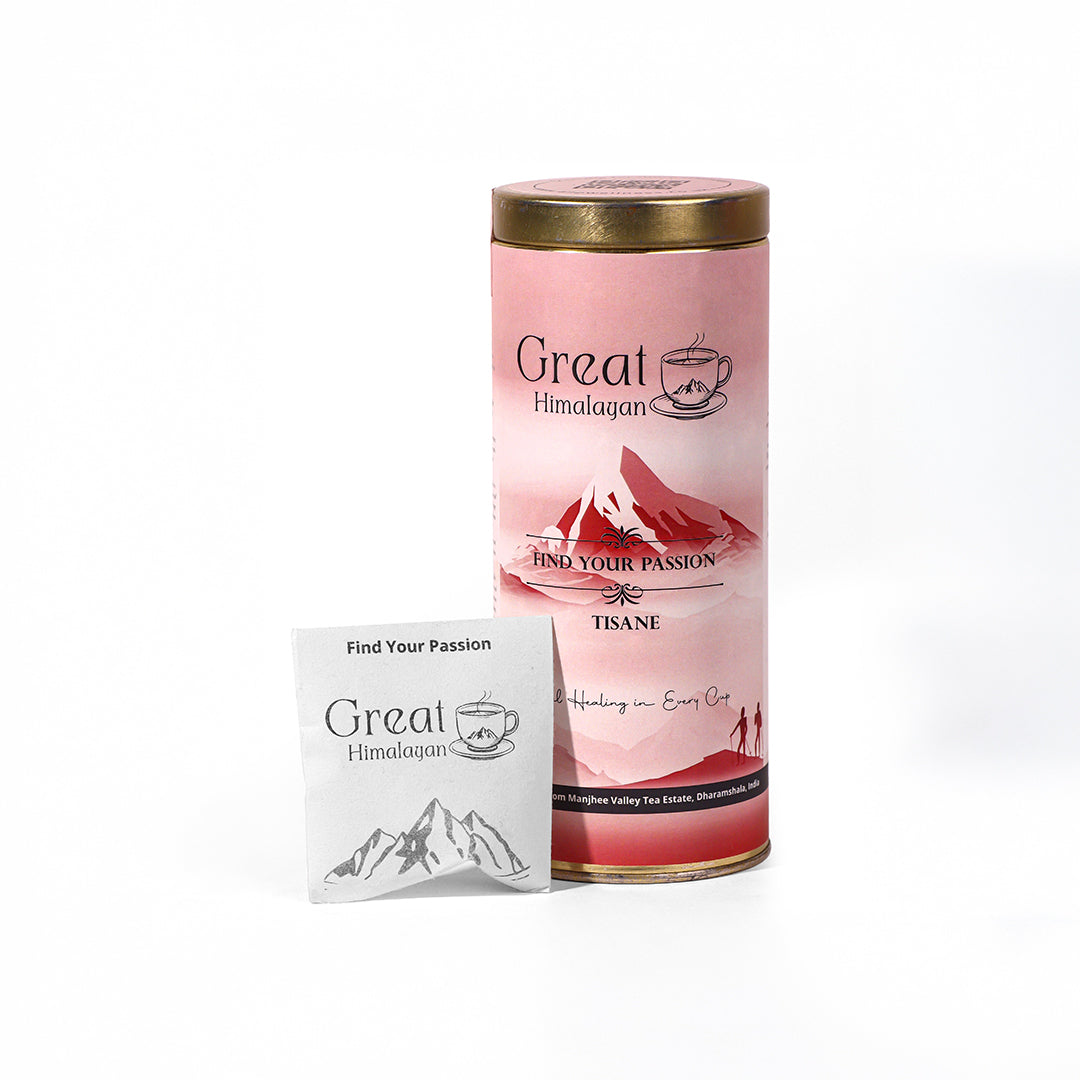
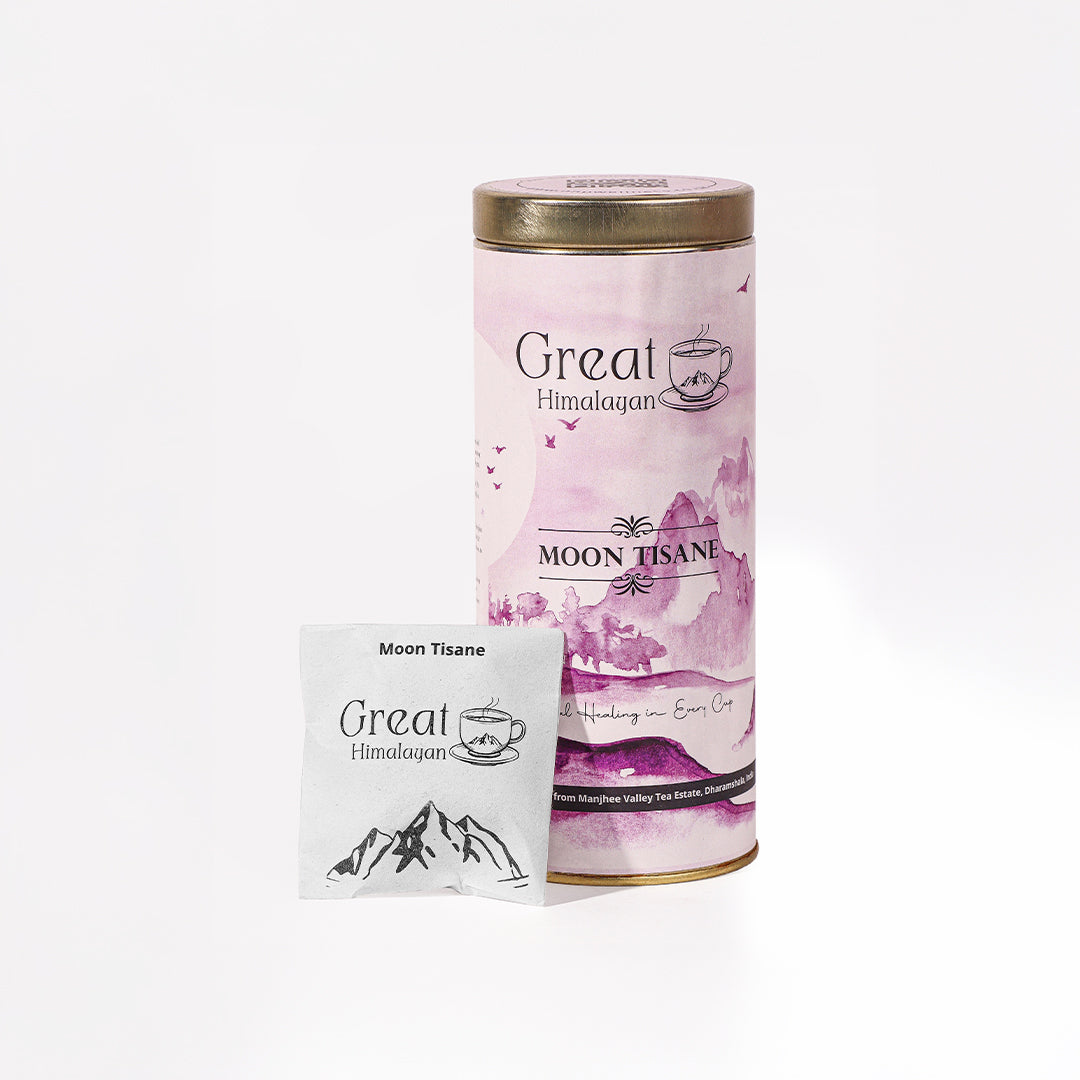



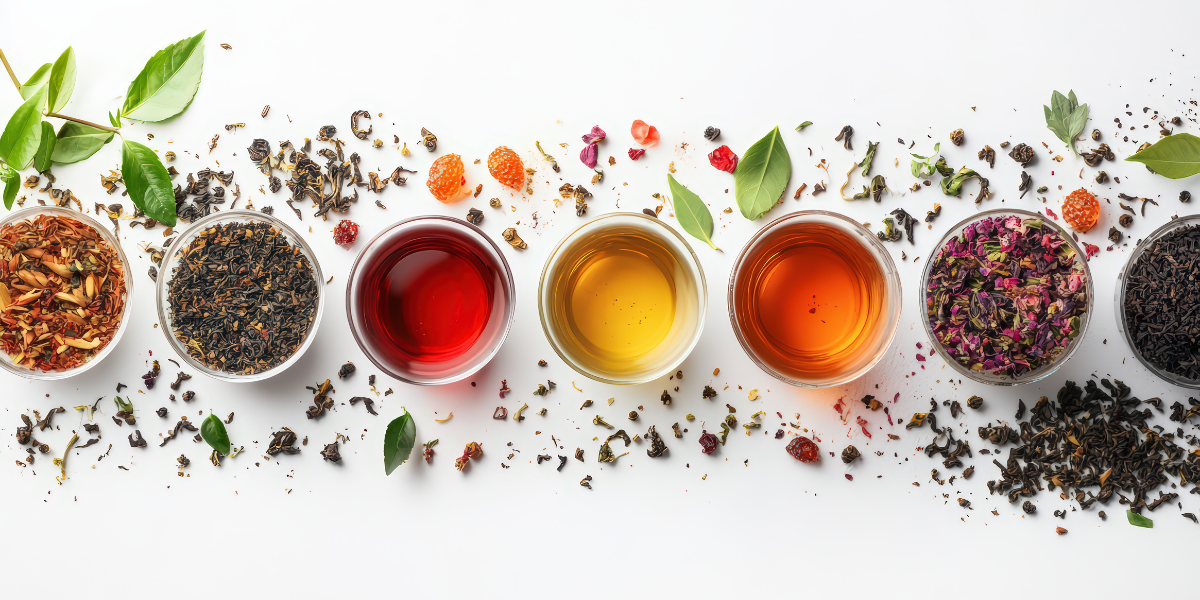
Tea extracts made from the leaves of the Camellia sinensis plant — used for making black, green, oolong, and white tea — are what first come to mind for most folks. There is a whole world beyond that, and it does not involve a shopping visit to the tea shop. We’re talking about tisanes. Tisane means herbal infusion, which can be a mixture that contains dried leaves, flowers, fruits, seeds, or even any roots – that is, everything but the actual tea leaf.
In fact, unlike a few of our most loved teas, tisanes are completely caffeine-free. That makes them perfect for anyone needing soothing, healing drinks that are healthy but will not trigger the nervous system. Since each blend has its own inherent aroma, hue, and benefits - whether for digestion, sleep, immunity, or hydration,
The growing popularity of herbal tea varieties in the UK also mirrors the wider cultural trend towards conscious living and a focus on holistic wellbeing. Consumers are replacing their sugary beverages, caffeine-laden coffees with the soothing, wholesome properties that only a naturally flavoured, full-bodied tea infusion can provide. Er, fruit, floral, and root-based teas, also called tisanes, are their own breed of herbal tea, though, because they beat to the tune of their own flavor and health notes.
What is the definition of a fruit tisane, compared to a floral or a root-based one? Which one is better for the daily ritual you go through, and how can each of them benefit your wellbeing subtly? The following will guide you through gorgeous fruit tisanes, floral tisanes, and root-based ones as well – and how to embrace them for natural lift.
The history of tisanes goes hand in hand with herbal medicine overall. Long before tea ever touched the water, the civilisations brewed herbs, shrubs, and flowers for various purposes. Hibiscus infusions treated the pharaohs’ hearts in Egypt. In China, every healer used ginger tisanes to aid digestion. Chamomile was the solution of the Greeks, relieving them of nervousness and insomnia. Thus, different lands gave rise to different sorts of tisanes, which were not only a tasty indulgence but a potent remedy with herbs instead of pills.
No wonder that in the modern times of growing awareness, the culture of tisanes is experiencing such a boom. With the increasing number of people choosing a plant-based diet and specially selected nutrition, the wellbeing trend could not help but welcome such a healthy drink. The UK is the main example of such a move; the people in this country are the most inclined to look for fruit tisanes, floral tisanes, and even root-based infusions to meet a specific need. It may be relaxation, detoxification, or better sleep.
The most appealing thing about tisanes is that they know no boundaries, whether geographic or health. These days, everyone can find an appropriate kind of blend whose scent and taste one finds particularly enjoyable. The drink can also be suitable for a certain season, just to protect one’s immune system during a tough time. Finally, no one would be left out of the game as tisanes are above all dietary requirements and ethnic preferences. It is always gluten-, vegan-, and caffeine-free. Whether it is a hot or an iced cup, tisanes unite flavour and mood therapy and can claim the status of one of the most popular sorts of herbal tea drinks all around the world.
Thanks to the variety of edible plant parts—flowers, fruits, roots, leaves, seeds, and spices—tisanes seem to cater to the needs of any population, regardless of tastes and requirements. Each type of tisane has a unique flavour and effect on one’s health, which can make a person perplexed in terms of selecting an appropriate type. In this respect, classifying tisanes is advantageous in that it allows determining the perfect product in relation to the individual characteristics of taste and wellness objectives.
By distinguishing tisanes based on the plant components used for their infusion, they can be divided as follows:
Fruit tisanes: the impact is achieved by using dried fruits like berries, apples, or citrus peels.
Floral tisanes: the infusion uses petals and blossoms such as chamomile, rose, hibiscus, or lavender.
Root-based tisanes: the category involves earthy roots, which enrich the tisane, such as ginger, turmeric, or licorice.
Leaf and herb tisanes: the type often comprises mint, lemongrass, or nettle.
Seed or spice tisanes: the type of tisanes is made with fennel, cardamom, or cinnamon.
The type of tisane not only affects the taste, but it also determines the impact the given product generates—for instance, calming one’s nerves, promoting digestion, or enhancing the immune system.
It should be noted that the process of tisane preparation is not complicated, but, conversely, quite straightforward, which is essential for preserving the nutritional components of the product. In general, any type of herbal tea is supposed to be infused in hot water for up to five minutes, but the time can vary depending on the ingredients used. In case the tisane is made with roots and barks, a longer time of infusion or simmering should be used to extract the active ingredients. Alternatively, one can leave the herbs in room-temperature water so that they can infuse during the night while a person is sleeping. The taste and health benefits of tisanes do not seem to be inferior to those of cold tea, while the latter contains no caffeine, meaning that it can be drunk any time of the day—morning, evening, or before sleep—without being awake the whole night.
Fruit tisanes are the most colourful and most flavourful of all tisanes, gaining these characteristics from their natural sweetness and bright colours. Instead of sweetening with sugar or artificial flavouring, they draw their personality from dried pieces of fruit, peels, and berries. Ingredients that are popularly used here are apple, orange peel, hibiscus, rosehip, strawberry, raspberry, and pineapple, which give the tea a specific smell and color of their own.
Brewed, a fruit tisane makes for a stunning ruby red or amber cup, with a refreshing aroma that captivates the senses. It results in a herbal beverage full of vitamins and minerals, caffeine-free, ideal for the whole family, from adults (who drink tea) to children.
It is not just the delicious taste of these fruit tisanes. These are rich in antioxidants, Vitamin C, and beneficial plant compounds associated with beneficial health. It may enhance skin glow, the immune system, and hydration levels when consumed regularly.
Hibiscus and rosehip tisanes are high in antioxidants, while apple and citrus infusions can relieve digestion and provide a natural energy force. Tisanes, on the other hand, contain little to no sugar, as compared to fruit juices, thus emerge as a perfect, guilt-free, refreshing beverage.
For maximum taste of a fruit tisane, brew one teaspoon of dried fruit in freshly boiled water for approximately ten minutes. For a cold brew, let steep overnight, then pour over ice or with a wedge of lemon. You can also mix the infusion with other herbs or flowers for your favorite herbal tea blends.
For those looking to switch from soda or other caffeinated beverages to a more nutritious option, fruit tisanes are a great choice! Each sip offers you a herbal bouquet of nature at its purest and healthiest, packed in a single cup.
Floral tisanes are one of the most exquisite, delicate forms of tisanes, which encapsulate the moment of blooming nature in both fragrance and flavor in every single cup. Dried petals and blossoms do give rustic vibes, luring in with their smell, colour, and continuous taste. All the flowers have a signature quality, be it sedating the body, stimulating the mind, curing the skin, or giving food to the hair.
Perhaps the most common choices are chamomile, hibiscus, rose, lavender, jasmine, and calendula. When brewed, each tisane fragrance is distinct and memorable: chamomile is mild and tranquil, hibiscus is pungent and rich in antioxidants, while lavender bestows a sweet floral aroma that soothes not only the nerves but the other senses too. Traditionally, the floral tisanes are used in herbalism to reduce stress, improve sleep, and take care of inner beauty through their range of fragrance. Their aromatic quality adds up to a simple evening tea ritual or breaks throughout the day.
Of course, the floral infusions are not all about aroma – their healing benefits can actually be measured. An example would be chamomile tisane, famous for its effect on sleep and digestion. For instance, hibiscus tisane aids heart functions and upholds blood pressure balance, while rose petals’ benefits for the skin are attributed to their hydrating and antioxidant roles.
Lavender and jasmine infusions, in the meantime, both relieve stress and increase spirits. Each flower contains phytochemicals that act gently on the body, so tea is both the taste of its ingredients and their benefits. Moreover, they are all caffeine-free, which makes them safe to drink even in the evening, preparing the body for deep regenerating sleep.
For the best effect, take a teaspoon of dried petals and pour over with freshly boiled water. Let it brew for 5–7 minutes and drink immediately: the petals are delicate, and too long brewing can cause bitterness. For enhanced aroma, do not remove the lid. You can also experiment with blending flowers with fruits and herbs, for example, hibiscus with rosehip or chamomile with mint – the results will not only be aromatic, but also beneficial for health.
Tisanes originating from roots are part of the oldest series of tisanes known to man. Generations before green or black teas hit the mainstream, food cultures infused roots for their healing benefit. These infusions are highly fragrant, earthy, and loaded with bioactive compounds to promote long-term health.
Roots used in tisanes are frequently ginger, turmeric, licorice, valerian, and dandelion. Each has its own character – ginger possesses warmth and spice, turmeric gives a golden colour and anti-inflammatory properties, while licorice root provides natural sweetness and respiratory benefits.
Root-directed tisanes are great for those looking for grounding, restorative beverages that impact the body’s deeper systems, everything from immunity to digestion.
These powerful infusions contain potent amounts of vitamins, minerals, and therapeutic constituents. Ginger Tisanes are good for nausea, colds, and aiding digestive discomfort. Curcumin is a potent antioxidant and anti-inflammatory compound found in turmeric tisanes. Licorice root reduces sore throat and helps balance cortisol levels (i.e., regulates stress)
Within traditional medicine, Valerian and dandelion root are particularly prized — valerian is used for improving sleep quality and anxiety, and dandelion root aids in liver detox and metabolism.
Adding these herbal tea varieties to your routine helps your body fight against inflammation, fatigue, and stress naturally with no additives or caffeine.
Roots are denser and tougher than flowers or fruits, so the brewing methods differ a bit. Instead of just letting it brew, it is advisable to simmer 1 tbsp dried or chopped root in boiling water for 10–15 minutes. This means that all of the active compounds are able to dissolve completely and create this great, intense drink.
A squeeze of lemon or a little bit of honey not only improves the taste but also helps us to absorb the nutrients of tisanes, especially turmeric ones. These root-based tisanes cover the body and spirit with a rich, nourishing, grounding sensation, whether you shall sip them hot in winter or cool in summer
Girls, fruit, floral, and root tisanes may dominate the landscape, but don’t underestimate the power and attraction of leaf, seed, and spice tisanes. They marry the scented depths of herbs and spices mostly to the modest wellness tones of seeds and leaves, forming these vibrant, flavor-rich infusions, which strike on both the tongue and tummy. Many cultures, such as India, Egypt, and the Mediterranean, have long considered these tisanes to be an everyday health tonic. Not only are they warm and delicious drinks, but they are also natural remedies, which play an important role in one’s digestion, breath, and balance of energies. In several instances, they provide some of the most varied flavors and wellness blends in all the tisane types.
A blindingly pale green, neat and crisp, and brilliantly fresh flavors are the sources for leaves. The peppermint is the leader in this group of leaf tisanes, along with the lemongrass, followed by nettle leaf and sage. Fresh, neat peppermint can cure headaches and aid digestion, whereas lemongrass can further help in detoxing your system. The nettle leaves are enriched with redolence and can stabilize calcium and iron, like two dissimilar rocks, to make them one of the top three best sorts of tea for everyday nourishment. The end product is a ‘neat’ plant, which blends well with hot and white teas and even freshly made iced ones. It may be taken as a natural and refreshing drink to revitalize the failed caffeine-based drinks, which may sometimes be very damaging to your health.
Fennel, cardamom, anise, and coriander have been used by ancient cultures as edible seeds. Bloating is usually accompanied by essential oils secreted with the tiny seed, and this “helps to digest”. In addition, fennel and anise may be diluted as a clean tea to aid in the digestion of normal fibers. Sweet and smelling of cardamom works to clear the mind, like the other two, and the peppercorn could have been tried in India to refresh the digestion and breath of man. Impressed with glowing cinnamon, fraught with anti-oxidants and anti-inflammatory agents, clove and star anise equip it with agents to help human health. These latter three items are therefore used mostly in combinations of everyday shares and disease- or winter-warm teas. Of course, they are profluent, flavorful, and cure a number of diseases–though most damningly, they show that wellness might actually taste okay.
A lovely thing about tisanes is that they are entirely caffeine-free. Tisanes provide a calming caffeine-free option that is appropriate for all ages and all times of the day, while the traditional teas—black, green, or oolong—contain caffeine in differing degrees. It makes them one of the best options for anyone looking for natural, restorative hydration without the stimulation of coffee or everyday tea.
Not only are they caffeine-free, but tisanes are also full of vitamins and minerals that the body needs, including antioxidants. These are more than a simple drink as each sip goes toward hydration, detoxification, and cellular repair.
Enjoying a warm cup of floral-based or root-based tisane prior to bed helps your body know it is time to relax. Uzmanlar kaynar su ile hazırlanan papatya ve lavanta gibi bitkisel çayların kaygıyı azaltmada ve uykuyu kalitesini arttırmada faydalı olduğunu belirteb diye geçtiğimiz eve Martta. Tisanes, unlike caffeinated tea, prepare the mind and body for restful sleep rather than away from it.
Most tisanes are safe for children, pregnant women, and those who are sensitive to caffeine. Fruit-sweetened drinks such as apple-hibiscus or strawberry-rosehip are healthier substitutes for soda, and mint or fennel tisanes can relieve simple digestive unease. These drinks are naturally hydrating and can be served hot or cold, depending on the season.
Because tisanes are made mostly of water and contain no contaminants, they assist in removing waste, cleaning agents, and other toxins, and ensuring the body stays hydrated. Lemongrass, turmeric, and hibiscus support liver function and the metabolic balance. Regular use of such herbal teas can keep your system clean and active in the most natural and refreshing way, with no caffeine or any other processed drinks.
Choosing a tisane is more than just a matter of taste — it is as much about what your body needs, your lifestyle, and the time of day. There are dozens of different types of tisanes on the market today, but learning how to select and brew them can help you fully access their health benefits.
A cup of tisane is, when made thoughtfully, a maker of an act of mindfulness rather than merely a drink. From refreshing fruity blends to invigorating root infusions, discover a tisane for every mood, every time of the day.
If you want something to relax with, reach for floral tisanes such as chamomile, rose, or lavender. They calm the mind, soothe the nerves, and improve sleep on these infusions. Root-based tisanes such as ginger or turmeric are great for digestion and immunity (they combat inflammation and help balance the gut).
Fruit tisanes with hibiscus, apple, or berries are options for those needing a thirst quencher or a hit of vitamins. Leaf and spice tisanes such as mint, lemongrass, and cinnamon, on the other hand, are ideal for detox and recovery. The important thing is to listen to your body and select an infusion that nourishes your current situation.
When buying herbal tea types, always choose one that is made from organic & pesticide-free herbs. So, it's best to use pure dried herbs and fruits as artificial flavouring and sweeteners can dilute flavour and health properties.
Brewed, a tisane can become an indulgent ritual. A good general rule is: the more delicate the ingredient, the less steeping time it needs.
Fruits and flowers: infuse 5–7 minutes.
Herbs and spices: simmer for 10–15 minutes on low heat.
For leaves and seeds: infuse for five minutes, covered, to retain the fragrance.
Use nothing but fresh, filtered water each day, since chlorine and impurities can interfere with taste. Don't over-steep, which will make it bitter, and flowers more than anything else. Dress it with a drop of honey, a slice of lemon, or a cinnamon stick according to the mixture to taste good naturally.
After learning the basics, you can venture into natural tea infusions—a combination of herbs, fruits, and spices to create your personal wellness mixes. Every tisane you create is a moment of restoration and self-care.
Here at ANP Wellness UK, we believe true wellness starts with what you put in your body—and this includes how you take your daily tea ritual. We created our hand-crafted tisanes with a thoughtful selection of fruit, floral, and herbal infusions so you can enjoy the truest taste and health benefits that come from nature in each cup.
ANP tisanes have an expert-driven composition ensuring taste together with therapeutic value, which cannot be found in the generic blends. From apple-hibiscus to chamomile-lavender to ginger-turmeric, we have a flavor to suit your mood and your day and night.
What sets our infusions apart is the authenticity and purity. We use all-natural ingredients, which we source from trusted farms, and mix them in small batches to ensure freshness and potency. All products are caffeine-free, as well as vegan and cruelty-free, which really resonates with today's modern consciences.
With ANP Wellness UK, you are aware of your cup contents: full transparency. We fully disclose all ingredients on our packaging so you can drink easily and know exactly what you are sipping!
Our vision extends beyond beverages to making wellness accessible. Our herbal tea types are made not just for the taste, but also for your digestion, immunity, relaxation, and inner beauty. Whether you have been drinking tea your whole (or half your) life, or are one of the herbal tea newbies with the tisanes, ANP Wellness lets you enjoy the simple pleasures of finding harmony in your day again.
Visit ANPWellness for the full variety of our fruit, floral, and root-based tisanes. Co.uk. All our blends celebrate simplicity and quality, handpicked and hand-blended into each and every one of your jars. Drink once and enjoy for a long time.
With fast food and the caffeine of a coffee die, we are surrounded by artificial energy boosters, but with tisanes, you have the opportunity to escape to natural calm. They are the gentle side of wellness, where reparation occurs slowly, mindfully, and connected to nature. From the fruity sunshine of berry infusions to the floral sophistication of chamomile and rose, to the grounding spice of ginger and turmeric, each cup of tisane is a reminder to slow down and reconnect with yourself.
One of the exciting aspects of discovering new varieties of tisanes is their adaptability. They suit every season, every mood, every lifestyle — a liquid hug and liquid love. Compared to caffeinated teas or sugary beverages, tisanes nurture the body with gentle hydration, helpful antioxidants, and plant-based nutrients.
With demand for holistic wellness in the UK on an uptick, tisanes have only evolved from drinks to rituals of equilibrium, tranquillity, and rejuvenation. Every sip takes you a step closer to a naturally high fuel system.
So the next time you feel like having a drink that is both beneficial and beautiful, reach for an herbal brew. Explore fruit, floral, and root-based varieties, and allow every brew to be a restored wellness moment.
The answer to what the healthiest tisane is depends upon your aims. Tilak said ginger and turmeric tisanes are great for immunity and inflammation relief, and chamomile and lavender tisanes help promote relaxation and better sleep. Hibiscus and rosehip infusions are excellent for hydration and cardiovascular health. Each type provides its own special nutrients and therapeutic effects.
In fact, the majority of fruit tisanes, in particular those involving either apple, orange peel, or hibiscus, are digestible and help with hydration. The low acidity of coffee helps promote digestive enzymes, and the antioxidants benefit the gut. They're non-caffeinated as well, which is easy on the tummy.
Absolutely. Flower tisanes like chamomile, lavender, and valerian root act as gentle sedatives. These herbal tea varieties have substances that diminish nervousness and let the body relax, which is ideal for night routines or before sleep rituals.
Most tisanes are safe for children to have, and those that contain fruit, such as apple or berry blends, are often the best for kids. Nonetheless, you should keep away from potent medicinal herbs or roots for small kids. Always choose caffeine-free, sugar-free, light herbal brews.
Tisanes can be drunk every single day, even more than once a day, depending upon the type. One to three cups a day is optimal for wellness. For holistic health, steeped traditions of morning fruit infusions, afternoon mint or lemongrass blends, and evening floral tisanes harmoniously pair with routine.
Check out ANP Wellness UK for our organic, natural, hand-crafted tisanes. Whether you prefer fruit, floral, or root, we have a lovely selection of tisanes that meet your lifestyle choice and palate. They are all 100% caffeine-free, vegan-friendly, and are made with the highest care for health and wellbeing.