Cart
0
Your order is free delivery !
You may also like



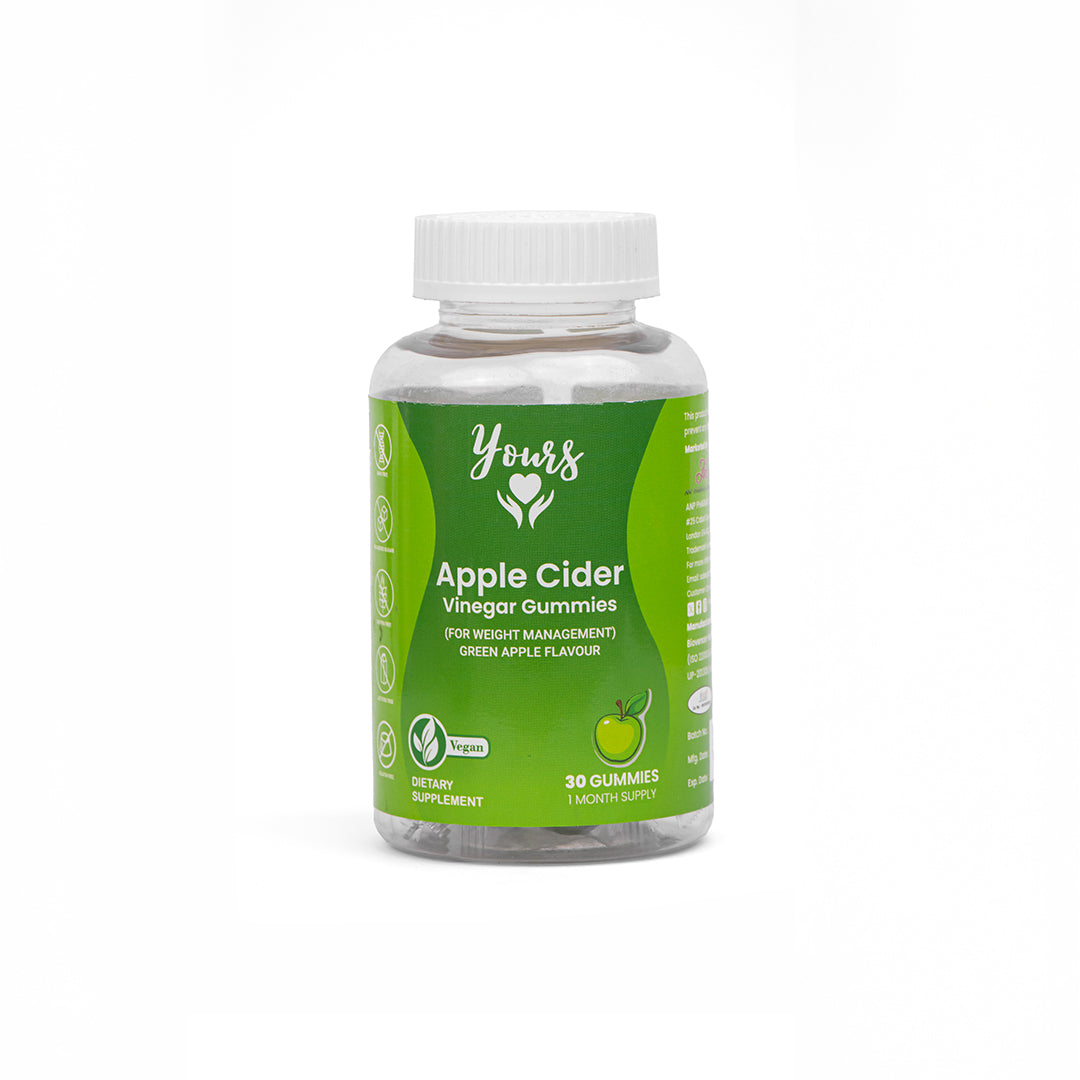








It seems too good to be true to have a perfectly balanced diet. With busy work calendars to juggle, snack aisle temptations to combat, and pollutants to avoid, nutrient holes can easily develop — which is why these little combination pills have grown to be quite so popular. The logic of multivitamins is to make up for these nutrition gaps, providing the body with an ideal combination of components- vitamins, minerals, biochemical constituents- that work in tandem to support health and vibrancy.
Multivitamins are far from the colourful pills or gummies you see strewn across social media — they exist as laboratory-created supplements that are designed to add to the nutrients that may be missing from your diet. Whether improving immunity and energy or skin, bone, and brain health, multivitamins have a biological impact on almost any function of the body. Every ingredient serves its purpose, and knowing how these nutrients work with each other explains why multivitamins are a staple of preventive health today.
Nutrient synergy — how vitamins and minerals work together to improve absorption and function in the body — is the science story behind multivitamins. Vitamin D, for instance, enables your body to absorb calcium effectively, whereas Vitamin C assists in iron absorption. When combined properly, these nutrients create a web of support underpinning everything from metabolism to mental health.
In the rest of this blog, we will dive deeper into why multivitamins are so essential, how they interact with your body, and the actual science about their constituents. From lifting you up to fighting off germs — or simply how to feel your best each and every day — knowing what each nutrient can do for your body can help you make better-informed wellness decisions.
A multivitamin is a dietary supplement that typically consists of a variety of vitamins, minerals, and sometimes additional nutrients (eg, amino acids, herbal extracts). They are meant to offer a handy, holistic method of fulfilling your everyday nutritional needs — especially for nutrients that are hard to come by in adequate amounts through just food sources.
Although the concept of a "pill for everything" may be rife with oversimplicity, the current makeup of multivitamins has roots steeped in decades of nutrition. Based on the average diet trends and common nutrient gaps of populations — for example, low Vitamin D concentrations typical of many in the UK due to limited sunlight — researchers formulate multivitamin blends to fill those gaps. This is the reason why Vitamin D, B12, and iron dosages in UK multivitamin supplements are, in some cases, higher.
A further detail in the understanding of how multivitamins work in the body is that multivitamins are not a substitute for food. Instead, they make sure your body is in a constant supply of all nutrients to function the way it is supposed to, as part of a balanced diet. Consider multivitamins as your nutritional safety net — one that keeps your body balanced, regardless of the perfection of your diet.
Each tablet or gummy you take is engineered by absorption science. Although some nutrients are categorized as water-soluble (e.g., vitamin C and the B vitamins) and must be replenished each day, others are fat-soluble (e.g., vitamins A, D, E, and K), meaning that they are stored in the body’s tissues. Top-grade formulations such as ANP Wellness multivitamins provide these nutrients in the right spaces at the right time and in the right proportions, meaning they will be absorbed slowly, and wasted as the body will be minimal.
Multivitamins: Science Behind the Supplements Your Body May Not Absorb As Well As You Think. You Lose Some, You Win Some. Taking a multivitamin — capsule, tablet, gummy — goes down your digestive tract, where enzymes and stomach acids break apart the compounds and allow each type of vitamin and mineral to enter the bloodstream.
The first stage takes place in the stomach and small intestine. Water-soluble vitamins, like vitamin C and the B-complex group, dissolve quickly and go directly into the bloodstream. The same is not true for fat-soluble vitamins such as A, D, E, and K, which depend on dietary fats for absorption. This is why many nutritionists will tell you it is best to take your multivitamin in the context of a meal, in order to maximize absorption and effect.
After absorption, every nutrient goes to its obligatory tissues, organs, and cells, where it performs different functions. If, say, iron is transported to red blood cells to carry oxygen, then Vitamin C is more likely to go into tissues in order to stabilize collagen and support immune defense. And therein lies the science behind multivitamins: the distant and complex coordination of ensuring that multiple micronutrients are delivered at the right time and place.
Your body uses a two-pronged system: It stores fat-soluble vitamins for later use while excreting surplus water-soluble vitamins in urine. So, this means that you have to be consistent — there is no “storing up” Vitamin C for the week. A multivitamin taken daily can keep these nutrients flowing into your body, providing support for energy creation, hormones, and even repairing damaged cells.
Many modern multivitamins in the UK also contain bioavailable forms, ie, nutrients as close to their forms for best absorption and usage as possible, such as methylcobalamin, which is a more active and readily available form of Vitamin B12 than cyanocobalamin. Considering this scientific accuracy in making the formula, you make the best cut out from every nutrient your multivitamin offers.
Vitamins and minerals essentially do not function alone; they are cofactors– helpers that allow your enzymes to perform important reactions in your body. Many metabolic processes would halt or slow down without these micronutrients. For instance, B vitamins are critical cofactors in the conversion of carbohydrates to energy, whereas magnesium helps in over 300 enzyme activities, such as those involved in muscle work and nerve conduction.
So multivitamin science isn't simply about amount but about interaction and balance. An expertly crafted supplement indicates that your body is given just the right combination of nutrients to fuel the complicated biochemical pathways–keeping your energy high, your immune system at bay, and your thoughts sharp.
The wonder of multivitamin science is the harmony among the variety of nutrients. While each vitamin and mineral serves a different purpose, their synergistic effect creates an even greater benefit when combined. Now, let us understand how specific nutrients play an important role in their important functions inside our body.
This vitamin is important for eyesight, immune response, and skin turnover (1). It aids in the formation of rhodopsin, a light-sensitive molecule required for night vision, and maintains mucous membranes in the respiratory tract and digestive tract. Vitamin A multivitamins are often balanced with an upper limit to avoid excessive intake, while providing sufficient amounts to limit deficiency — this is the science behind multivitamins.
The B vitamins (which include B1, B2, B3, B6, B12, folic acid, and biotin) make up a key group involved in energy metabolism, nervous system function, and red blood cell production. B12 and folate are key to the cohesion of brain function and mood. Vegans and vegetarians, who are often deficient in these nutrients, benefit particularly from multivitamin supplements that include methylated B vitamins (for better absorption) in the UK.
Vitamin C: One of the most potent antioxidants out there, it boosts your immunity, improves the absorption of iron from the food you eat, and also plays a role in the production of collagen, which is important to maintain youthful skin, flexible joints, and proper wound healing. Research has found time and again that our multivitamins, which contain Vitamin C, help one recover from stress and fatigue, especially during the winter months.
Commonly known as the sunshine vitamin, Vitamin D controls calcium absorption and helps with bone mineralization. Due to the lack of sunlight exposure for a decent proportion of the year in the UK, you can understand the science behind multivitamins, encouraging supplementation of Vitamin D to prevent deficiencies that result in weakened bones, tiredness, and low mood.
In addition to preventing lipid damage and protecting cells from oxidative stress, vitamin E also nourishes healthy skin. This also boosts the immune system and balances hormones. A better bioavailable, natural form of Vitamin E is in the form of tocopherols and is used by good quality multivitamin supplements available in the UK only.
Vitamin K plays a role in collaboration with Vitamin D and calcium to maintain bone density and also regulates blood clotting. This is a small sample of the synergetic action that the science of multivitamins is built on — one nutrient enhancing the action of another for maximum effect.
But minerals, whilst often overshadowed by vitamins, are just as essential to the human body for maintaining its structure and performing key biochemical functions. Simple science dictates that multivitamins contain essential minerals that correspond to one another so as to maintain strong bones, stable nerves, and steady metabolism. Here are the most common major minerals found in multivitamins and what your body needs them for to function as well as it can.
Calcium is the building block of bones and teeth, but its effects reach beyond bone health. And it is also important for muscle contraction, blood coagulation, and nerve impulse transmission. When enough calcium is not found, the body takes calcium from bones, eventually creating long-term problems such as osteoporosis. This is why multivitamin supplements in the UK will often coincide calcium with Vitamin D so that they can be absorbed better and utilized properly.
So magnesium is involved in more than 300 biochemical reactions, from energy production to muscle contraction and nerve conduction. Helps with blood sugar balancing and blood pressure levels. Magnesium is an important addition to a multivitamin because it is sorely lacking in most people, especially those who are under chronic stress. Magnesium is one of the most helpful nutrients for modern lifestyles because science linking multivitamins highlights the importance of magnesium to sleep quality and fatigue.
Zinc is a trace mineral essential to immune defense, wound healing, and DNA synthesis. It is also important for reproduction and the senses of taste and smell. Lack of it can slow healing, thin hair, and further weaken immunity. Zinc ensures that you handle infections better, especially when added to Vitamin C, a combination that is really emphasized in science behind multivitamins.
In addition to its protein function as a hemoglobin in red blood cells, carrying oxygen around the body, iron is also vital for a number of other bodily processes. Anemia, fatigue, and lack of concentration can all result from low iron levels. Multivitamin supplements in the UK with iron are especially important for women of childbearing age and vegetarians, as those groups are more likely to be deficient. The formulation science provides iron in absorbable forms and minimizes digestive discomfort.
Selenium — an antioxidant which, in combination with Vitamin E, can reduce harmful free radical damage while also aiding with the metabolism of thyroid hormones. It plays an important role in protecting cells from oxidative stress and is associated with a lower risk of chronic diseases. From C — the superhero of multivitamins, go, Selenium, it handles oxidative stress, reducing inflammatory responses, and improves your immune strength.
The true Science of multivitamins (the clue isn’t in the individual ingredients) — it lies in how various ingredients interact with one another. Nutrients hardly ever work alone — they collaborate with others to create dynamic alliances to provide better absorption, stability, and effectiveness.
A prime example is the one between Vitamin D and calcium. Vitamin D helps in the absorption of calcium through the intestines and enables a lot of it to become available in bones and teeth. A calcium-rich diet is ineffective for bone health without an adequate supply of Vitamin D. Vitamin C also makes iron easier to absorb by letting the body convert iron into a better form, which is why these two help us live our days free from fatigue and anemia.
A third significant interaction is that of Vitamin B6, B12, and folic acid. These nutrients work in combination to control levels of homocysteine, a substance associated with cardiovascular health. This is the reason all UK multivitamin companies that target cardiovascular support should contain a balanced range of B vitamins.
But not all nutrients play well together. Some compete for absorption. For example, supplementary zinc in large doses will decrease the absorbability of copper, and too much calcium may block magnesium absorption. The science of multivitamins is really about this balance — about making sure the doses are perfect for synergy without competition within our organs.
This balance is ensured through specific regulation and formulation techniques embraced by manufacturers. An example of this includes chelated minerals, which are bound to amino acids to increase absorption and decrease interaction with other nutrients [6]. This science of formulation changes multivitamins from basic supplement tools to highly tailored bio-delivery systems that provide tangible benefits to wellness.
Other studies focus on bioavailability — the speed at which those nutrients are absorbed and used — something else that goes into making a good multivitamin. Water-soluble vitamins work fast but leave the body quickly; fat-soluble vitamins remain in the body longer and form deposits. This is part of the reason why nutrition experts often recommend taking your multivitamin with a meal that has a balance of healthy fats — it helps make sure nutrients are being absorbed properly to do the work in your body as they should be.
Debates around the efficacy of multivitamins have been around for decades, but more contemporary research paints a layer of complexity. From the science of multivitamins, most of the benefits of multivitamins depend on the quality of the formulation, the accuracy of the dosage, and the individual lifestyle needs.
An analysis of studies published in 2009 in top American medical journals shows that multivitamin users have superior nutrient status and fewer deficiencies. As one of my examples, a big league study in the American Journal of Clinical Nutrition showed that multivitamin users had higher concentrations of vitamins C, D, E, and B12 in their blood than non-users. These nutrients are essential for your energy, immunity, and longevity.
Though multivitamins are primarily designed to prevent deficiencies, the emerging science tells us they could do much more. Antioxidant vitamins C and E are potent antioxidants that help protect the cells and may reduce the risk of chronic diseases. Likewise, B vitamins can help in brain function, and the aging process slows down [5].
That said, the best multivitamins are those that have been formulated with bioavailability and balance in mind. Wasting all its money on cheap supplements or ones that are not properly bioavailable, because if the body doesn’t absorb something, it is excreted. This is why research and evidence of quality testing support multivitamin supplements in the UK, like science-based multivitamin formulations employing research and testing, which are among the best ones out there, and differ from the peak of the scientific world.
There remains a lot of confusion regarding multivitamins despite decades of research on their effects. Misconceptions arise from marketing hype, unjustified expectations, or misinterpretation of nutrition science. Separating fact from fiction is key to understanding the science behind multivitamins.
Perhaps the most common myth is that a poor diet is somehow offset by a daily multivitamin. Multivitamins, as available in the market, are actually meant to supplement — not substitute — a wholesome diet. Supplements never match the fiber, antioxidants, and phytochemicals you get from whole foods. Multivitamins science proves they are a support system for the body and not a substitute for any vegetables, fruits, or whole grains of your choice, as they are not able to supply the knowledge that they can very well function the body naturally.
The point is, multivitamins are not created equal. The form, dosage, and quality of production of the nutrients in them determine the effectiveness of biocomplexes. Low-quality supplements use a synthetic form of a vitamin or mineral that the body absorbs poorly. Magnesium oxide would be a poor choice, as it is poorly absorbed compared to magnesium citrate, for instance. Likewise, in the UK, multivitamin supplements using methylated B vitamins (e.g., methylcobalamin) will be much more expensive than those from low-cost dealers. This nuance is part of what makes a better understanding of the science about multivitamins -> actual science.
Unfounded belief #2: Taking mega-doses of multivitamins will magnify health benefits. In fact, overconsumption can create imbalances or toxicity — particularly in the case of fat-soluble vitamins (A, D, E, K)— since the body requires only specific amounts of each nutrient to thrive. Pushing beyond those levels doesn't give you "more energy" or "quicker results." The science of multivitamins is about harmony, not bulk — every nutrient taking its place without throwing everything out of whack.
Critics say multivitamins have no measurable advantages. Such a misunderstanding often results from short-term research studies or low-grade items. Multivitamins support healthy levels of essential nutrients in the body, lead to better health outcomes, and lessen fatigue when used on a regular basis (clinical research). Gradually, there is a noticeable increase in energy levels, concentration, and a reduction in seasonal illness. Consistency and formulation quality are the crux of multivitamin science.
Even if you follow a 100% balanced diet, it can be very difficult to target perfect nutrition on a day-to-day basis. Modern diets are nutrient-poor due to soil depletion, food processing, and lifestyle stressors. In fact, over the past 50 years, produce has seen a massive drop in levels of the minerals magnesium and Selenium. The science behind multivitamins is more pertinent than ever—an insurance policy against the invisible deficiencies that can contribute to long-term health challenges.
Choosing the proper multivitamin is not as easy as going for the most infomercial-able brand, but rather about the multivitamin being tailored to your particular body. Multivitamins are THE science of personalized nutrition — they are the accepted fact that nutrition can be personalized based on age, gender, diet, and lifestyle, as to which nutrients are needed most.
Nutritional priorities vary across kids, adults, and seniors. Men, for example, need a higher amount of zinc and magnesium, while women of reproductive age require more iron and folate. Older people require extra Vitamin D and B12 for their bones and brain. Therefore, multivitamin supplements in the UK are often age- and gender-specific to ensure that ratios of nutrients are appropriate and not excessive.
Daily activities also determine the nutrients needed. Vegans and vegetarians might be deficient in some nutrients like Vitamin B12, iron, and omega-3 fatty acids, and athletes and active individuals might need more magnesium or B vitamins to support energy metabolism. This variation is well recognized, which is why there is a science behind multivitamins providing formulations that cater to these variations and allowing each person to maximize absorbability through both diet and lifestyle.
The caveat is to select a multivitamin that is upfront about its ingredient sources and has transparent third-party testing. Quality control on a scientific level can ensure purity, potency, and safety — the key difference between supplements you can trust and the generic kind. Multivitamins like ANP Wellness are designed according to the latest in nutritional science, so they are formulated to ensure the right dosages, the most bioavailable (easiest for the body to absorb) forms, and synergy (all nutrients work together rather than against one another) of all nutrients included.
However, in order to drop the price, many of the low-cost supplements have no-value fillers, artificial colors, or binders mixed in with the nutrients. Natural science-y multivitamins, at the very, very least, advocate for pure formulations that prioritize nutrients over all else of digestionán (for use in this context) comfort. Quality is defined by the natural binders, plant-based capsules, and is free of all allergens. Opt for a supplement void of synthetic additives for optimum absorption and an authentic health experience.
No formulation, no matter how good, will work well if taken incorrectly. There is actual science behind multivitamins: time and consistency are the most important aspects of absorption of the nutrients into the body for the long run.
On the other hand, multivitamins are ideally taken with food — especially meals rich in healthy fats — to maximize absorption of fat-soluble vitamins (A, D, E, and K). This also helps alleviate any minor stomach discomfort that can happen when taking products on an empty stomach.
Morning is the best time, according to the general opinion, for most people to take multivitamins here. Your body metabolizes these diurnal traits during the day, so B vitamins and iron serve as a natural boost of energy! If your supplement has more magnesium or calcium, which can have a sedating effect, take them in the evening/. The key is in consistency — so have it at the same time each day for optimal results.
Both caffeine and alcohol play an indirect role in nutrient absorption by blocking the absorption of elements such as iron and magnesium. The theory behind that is that you should space your multivitamin an hour or more apart from a cup of coffee or tea to ensure the best absorption. Likewise, if you take prescription medicines, check with your healthcare provider to prevent interactions with your medicines.
Metaphorically, though, multivitamins are not where the effects are immediate, such as with caffeine or painkillers; they develop more slowly, help to restore nutrient and cofactor levels, and support metabolic functions over time. In a matter of weeks, you will see improvements in energy, immunity, skin quality, and overall wellness. The science behind multivitamins is a patient and persistent friend.
Although multivitamins are regarded as safe and almost always provide some benefit when dosed properly, reading about the research on multivitamins also means realizing the downside of overdoing it or using them improperly. Like any supplement, they need to be taken as directed, such that the power of proper supplementation helps, and the power of balance is not upset.
Fat-soluble vitamins are absorbed along with fats in the diet and can be stored in the fatty tissues and liver in the body, which means they can accumulate in your system over time (A, D, E, and K). Vitamin overdose is called hypervitaminosis, and it can happen from taking too much. Excessive Vitamin A can easily lead to headaches, dizziness, or damage the liver, while Vitamin D can raise the calcium level, resulting in kidney failure. This is the reason why multivitamin supplements in the UK have limits on the amount of these supplements that can be kept high according to the daily value, which has been scientifically proven.
Initially, adding a multivitamin may lead to mild stomach discomfort, nausea, or bloating for some, which is usually caused by consuming it on an empty stomach or accompanied by SAP, here, pipette, and wine. Multivitamins: Take multivitamins with meals and drink a lot of water to minimize discomfort and maximize absorption.
Iron plays an essential role in oxygen transport, but can be toxic in high amounts. In those who do not require additional iron — such as adult males or postmenopausal females — overconsumption can cause oxidative stress or gastrointestinal disturbances. Being a notable exception, good quality multivitamins therefore accommodate this by tailoring iron content by gender and by the age-specific requirements of each of us. This is why many multivitamin supplements available in the UK have a male and female formula.
However, in rare cases, some people may have sensitivities to specific ingredients like artificial colors, soy derivatives, or gelatin. Q: What about the science behind multivitamins? Polyphenols unlock antioxidants, and multivitamins work better when they are clean, free from allergens. Union trade plant-based capsules, natural flavoring, gepa crusts, and so on. Hypoallergenic and Non-GMO. Brands such as ANP Wellness UK use hypoallergenic and non-GMO components to guarantee the safety and comfort of all users.
Certain vitamins and minerals even have interactions with prescription medications. For example, potassium can counteract blood thinners, Vitamin K may reduce their effectiveness, and calcium and magnesium can affect the absorption of some antibiotics. Getting a good multi can be very beneficial to health, but it can also be the opposite if a person does not know their current physical condition, so consulting a health professional prior to supplementation is much more important to become part of your health chain instead of disturbing it. Multivitamins are all about this individualization, and the science behind multivitamins is the secret to responsible multivitamin intake.
The changes in our way of living have been the means by which we eat and how we work and recuperate, and with that, the dietary needs of the human body have changed as well. This timely subject is crucial amidst today's UK lifestyle habits, climate, and health-related challenges.
Such highly processed or convenience foods, which are often micronutrient-poor, are frequently consumed as part of the average UK diet. Accomplishing this may be a challenge — even for those who lead with the best intentions for their health — due to busy schedules or a lack of access to fresh produce. Here, UK multivitamin supplements jam in to stave off nutrients when dinner fails.
Vitamin D is one of the most common deficiencies among UK residents due to lower sun exposure during the colder season. Vitamin D3 can enhance mood, bone health, and immune resilience, and it builds the basis for most British formulation science.
Chronic stress — which is an unfortunate but defining feature of modern life — strips the body more quickly than usual of B vitamins, magnesium, and Vitamin C. These nutrients are responsible for energy production and stress management, and multivitamins help to replace them. In a nation known for keeping long working hours and burning the midnight oil over caffeinated drinks, multivitamins serve as a silent maintainer for health.
In the UK, there has been a dramatic increase in vegan and vegetarian diets. A plant-based diet is healthy, but it can result in a deficiency in vitamin B12, iron, and omega-3 fatty acids. The science behind multivitamins means that plant-based formulas fill these gaps with bioavailable, vegan-certified ingredients — enabling people to nurture their wellbeing without sacrificing their lifestyle choices.
With preventive healthcare and longevity drawing the interest of more and more people, the multivitamin is beginning to transform its role from reactive to proactive healthcare. UK consumers are more likely to use supplements as part of daily strategies for wellness — rather than waiting until they feel symptoms. Fitting in with modern nutritional science, though, is prevention through constant nourishment.
Science Behind Multivitamins: Why ANP Wellness UK? We believe that multivitamin formulas aren't all about science, anyway? With proper attention to trust and research, science does the work needed, proven over time with a measure of effect. Description: Blending naturalness & modern nutritional know-how, our multivitamins are made with perfection.
Based on clinical studies and made with high-bioavailability ingredients to facilitate absorption. Our specialists adhere to stringent quality standards, backed by third-party testing for safety, potency, and purity. Whether it is Vitamin D3 gummies that boost your bones and immunity or plant-based multivitamin capsules for complete wellness, each ANP offering is fundamentally designed to blend into your lifestyle.
We do much more than just bridge nutrient gaps. What we want to do is give you reliable energy, improved focus, and lasting health — results backed by the real science of a multivitamin. From juggling hectic workdays to relieving stress or just wanting to feel your best, ANP Wellness has supplements that you can trust to help you meet the moments.
But the science of multivitamins is changing as we learn how nutrients act in relation to one another and how they impact the body. However, this has not changed their effectiveness in filling gaps in the diet and supporting ideal health. In fact, multivitamins are more than just a convenience; they are a part of long-term health that consumers invest in on a daily basis — everything from energy metabolism and immune support to bone and brain function.
Given the growing pressures of an excessive lifestyle and poor diets, hoping for a naturally complete diet is no longer useful; thus, supplementing with a scientifically-balanced multivitamin is elevating from a bonus to a necessity. By opting for trusted, evidence-based products such as ANP Wellness UK, you are not just nourishing your body but also backing a science-driven way of contemporary health — one that emphasises balance, sustainability, and performance.
Often, regular use within the range of 4–8 weeks is needed before you experience any positive energies or improved mood or skin health. The science of Multivitamins is not the fast food of health; steady and consistent replenishment of nutrients is the name of the game since nutrients build up and settle in our bodies over time.
Yes. Most nutrients are not stored in the body, particularly water-soluble vitamins, so consistent intake is important. Good UK multivitamin supplements are manufactured for long-term use; good supplements are safe with extended use, such as the products from ANP Wellness.
Men's formulas generally have less iron and more zinc or Selenium, and women's have more iron, folate, and calcium. Such differences are the result of gender-specific nutritional requirements based on the science of multivitamins.
In general, it is — but don't double up on the same nutrients from multiple sources. Do read ingredient labels closely, as always, and consult a healthcare professional if you are taking other supplements or medications.
Yes, if they’re well-formulated. What really matters for multivitamin efficacy is not format — it's the quality of the ingredient and absorption rate. ANP Wellness UK gummies deliver excellent bioavailability and flavor, making it easy to get your daily dose of nutrition.
Absolutely. B vitamins, as well as magnesium and Vitamin C, are essential nutrients to handle stress and metabolize energy. It restores the loss of our nutrients owing to a busy lifestyle, caffeine, and less sleep, when taken regularly.
