Cart
0
Your order is free delivery !
You may also like
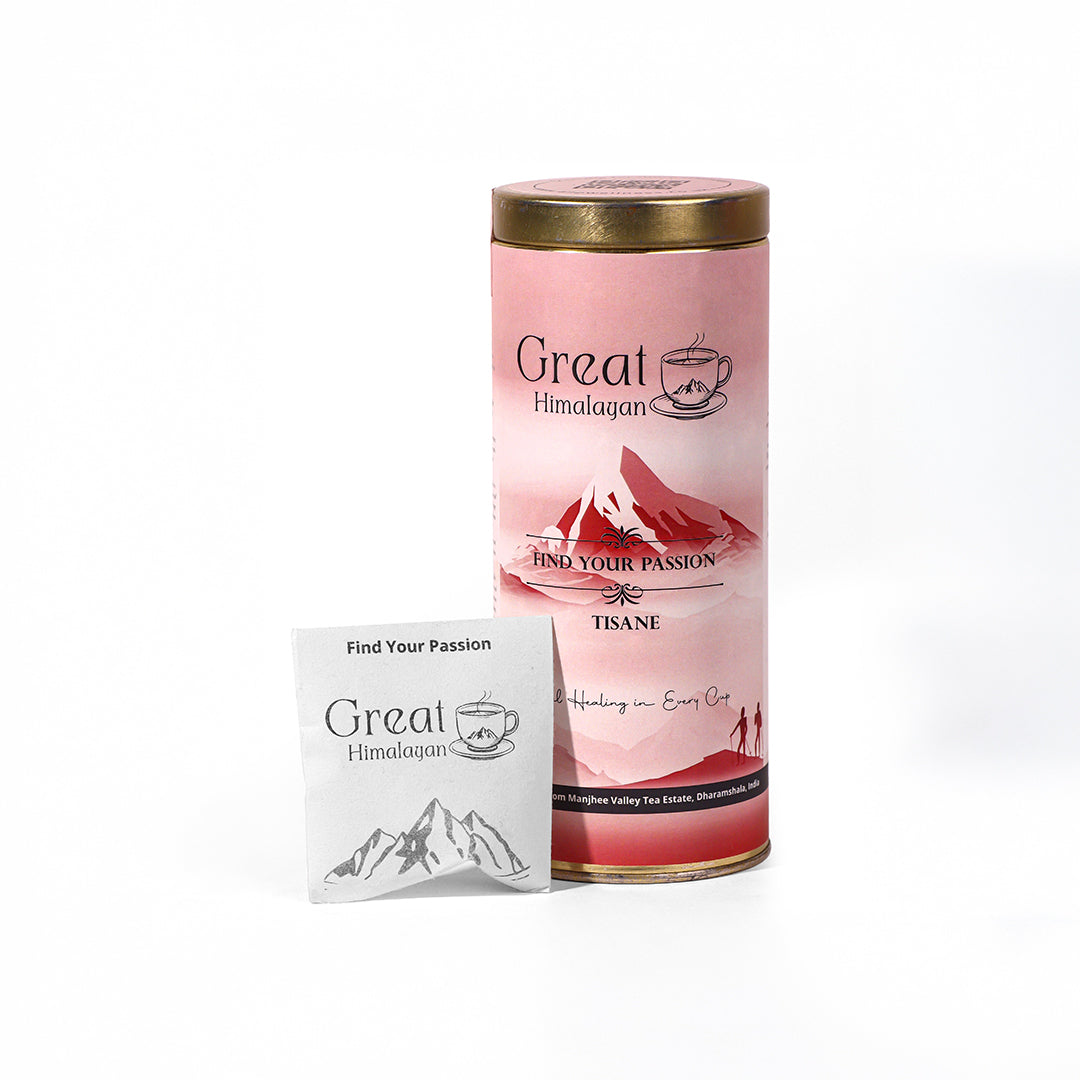
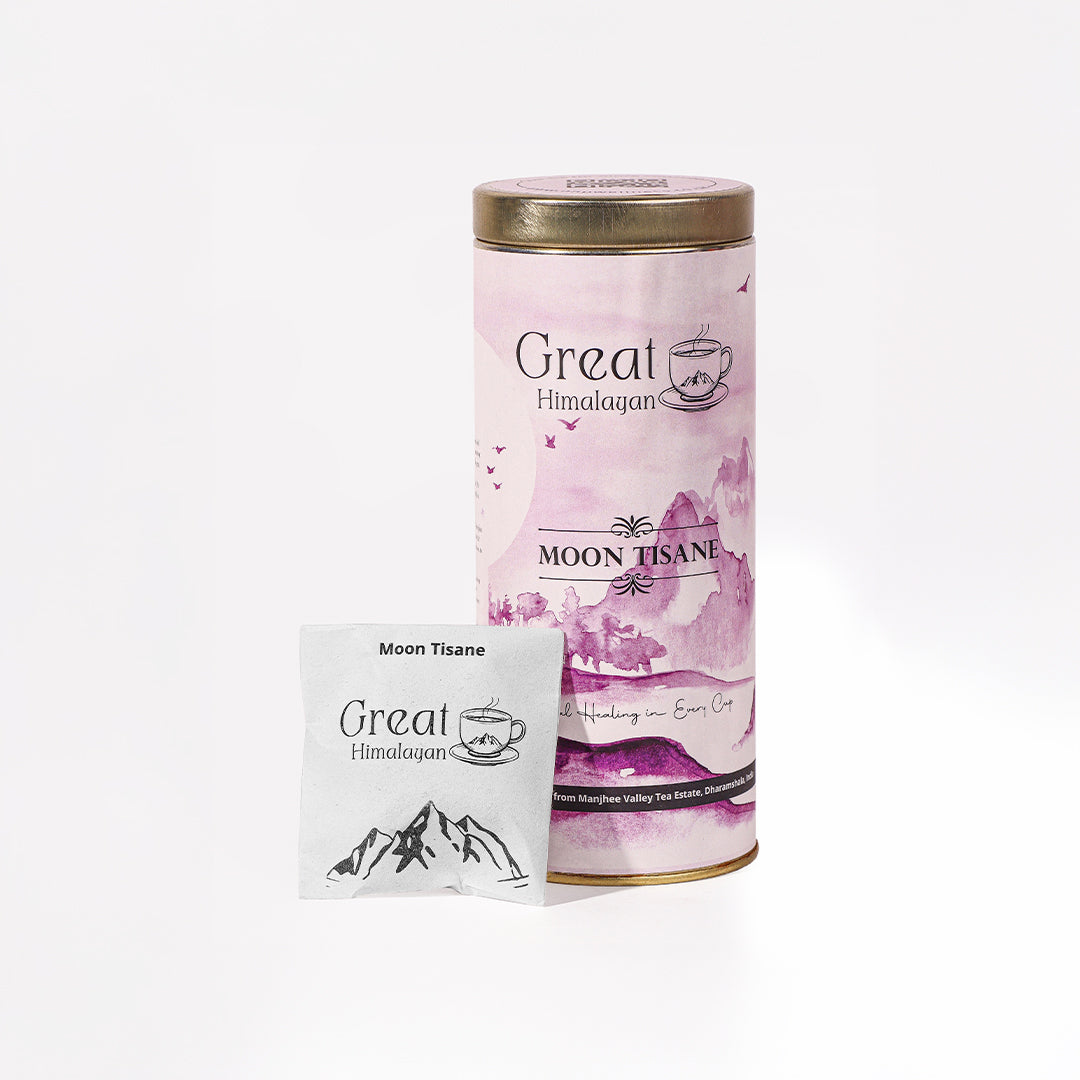
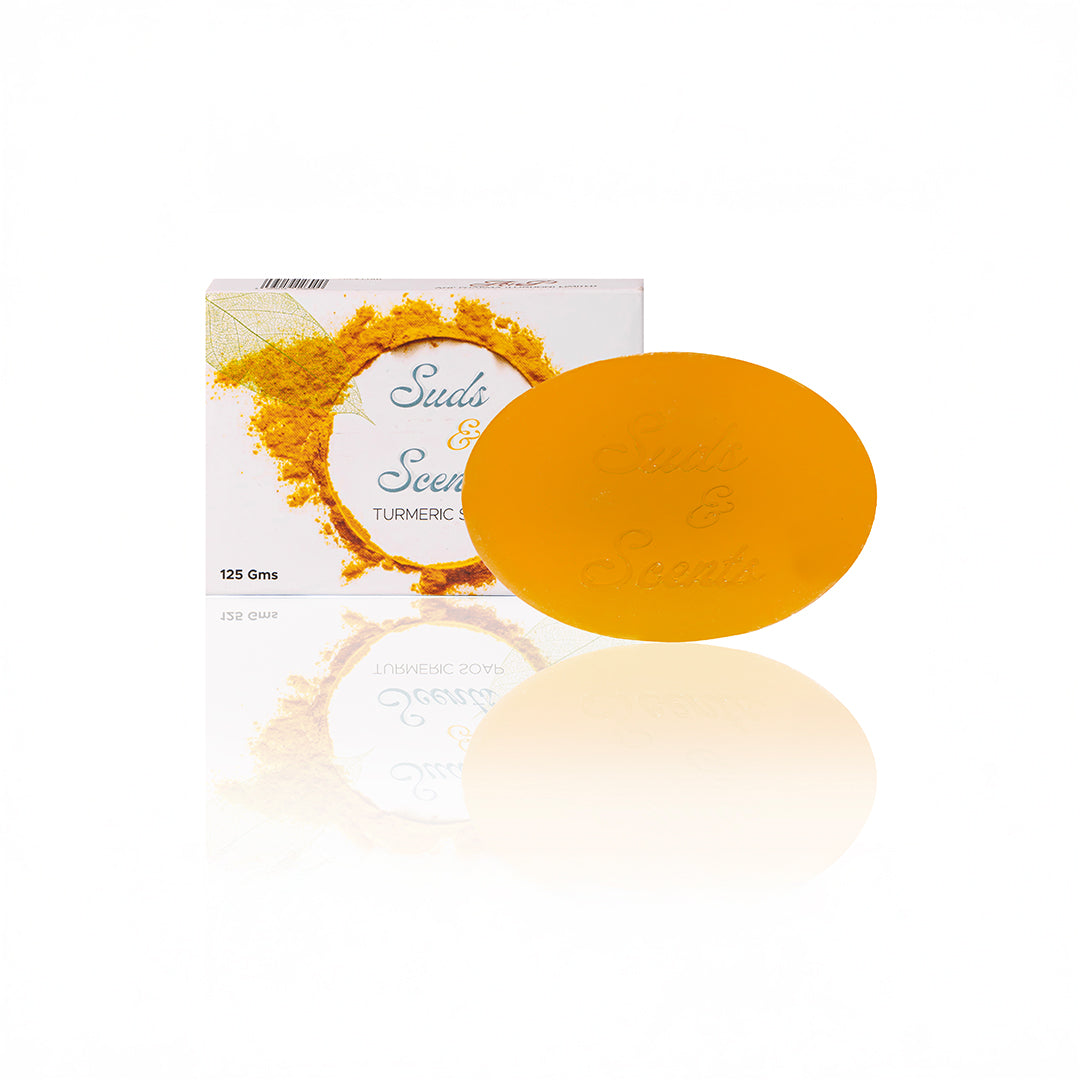
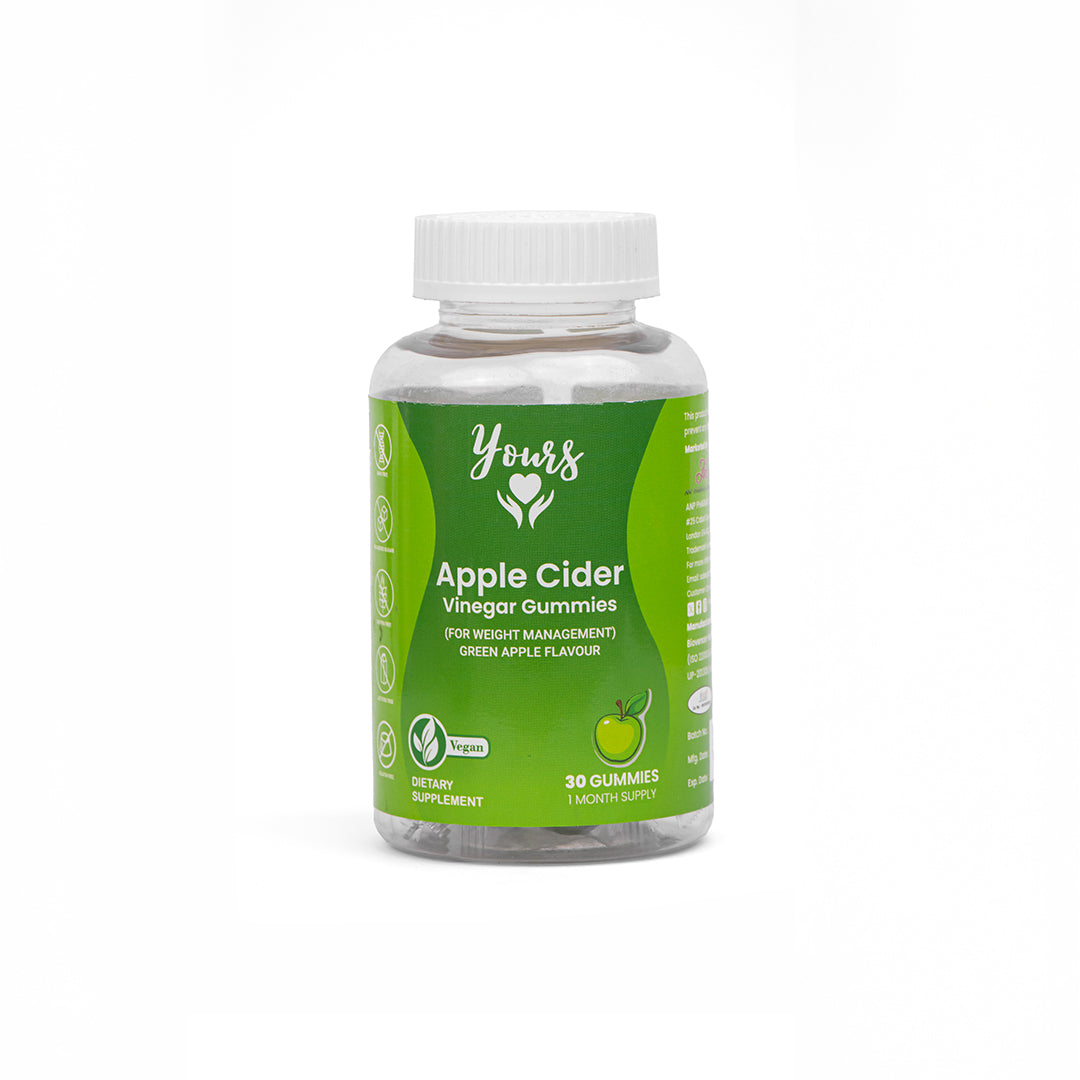



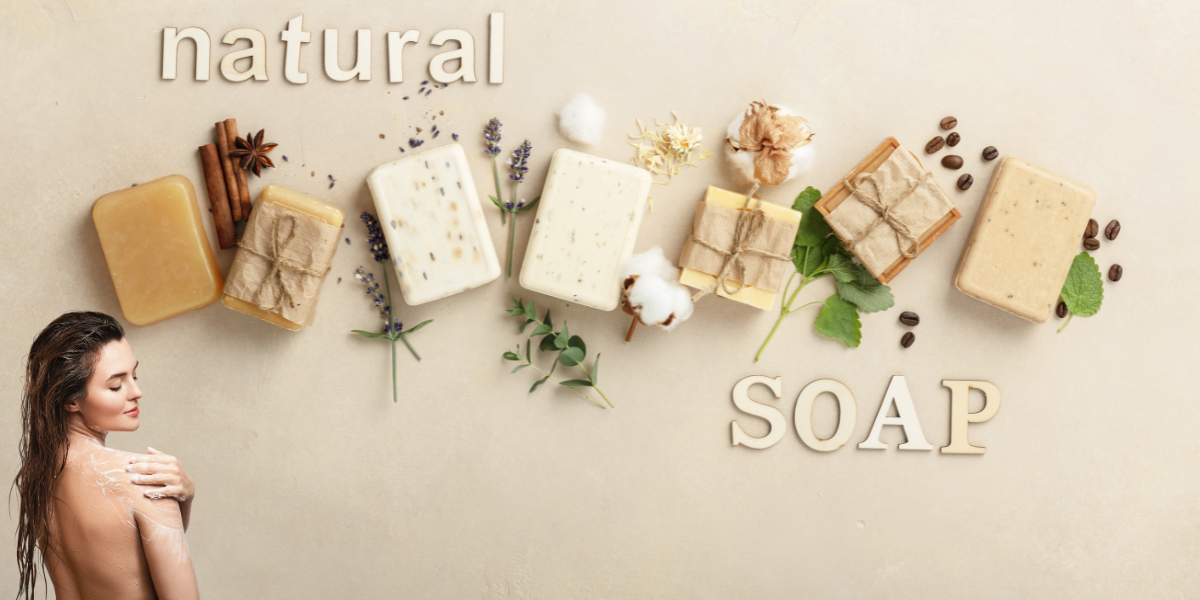
When it comes to skincare, few arguments are more prevalent — or more misinterpreted than natural soap versus body wash. Both say they cleanse, moisturize, and nourish your skin, but the similarities stop there in terms of formulation and philosophy. One draws on nature's simplicity; the other on modern chemistry. This makes knowing what actually helps your skin (and the planet) ever more crucial in a time when more people are cleansing without chemicals and embracing holistic, sustainable self-care rituals.
Both items may seem similar at first: they are cleaning dirt, oil, and sweat. However, from their most basic function to how they affect your skin microbiome, moisture levels, and long-term skin health, the effects can vary widely. Natural Soap vs Body Wash Science: The body wash contains synthetic surfactants that strip away some natural oils during the cleansing process, but handmade or organic natural bath soap with plant-based oils is less harmful and works synergistically with your skin barrier.
With eco-conscious skincare and conscious beauty on the rise in the UK, this conversation runs deeper than the superficial — it is about wellness, lifestyle, sustainability, and ingredient integrity. No matter if your heart lies with the creamy lather of a body wash or the artisanal feel of a handcrafted soap bar, understanding the differences will help you make the healthier choice for you and the planet.
In this article, we will dig into all you need to know about natural soap vs body wash — from ingredient breakdown and skin effect to sustainability and brand honesty. You will appreciate why millions of people are starting to make their own soap again– alkaline and natural-based, as they've been doing for centuries!
When talking about ‘natural soap’, a mental picture of a rustic bar scented with herbs, flowers, or essential oils comes to mind — and this is for a good reason. Real natural soap is one created through the saponification process, a chemical reaction between fats (ie, coconut, olive, or shea butter) and an alkali (usually sodium hydroxide). This yields a gentle glycerin moisturizer, being a natural humectant for the skin to hold onto and retain moisture, natural glycerin.
Natural soap embraces the pureness of ingredients, while commercial cleansers highly depend on synthetic detergents. The oils and butters in the formula are nourishing, and the added essential oils are there to ensure a mild fragrance but also therapeutic properties. This simplicity is the basis of chemical-free cleansing —the belief that your woman does not need synthetic elements or abrasive chemical substances for effective hygiene.
Organic bath soap in the UK differs in terms of sourcing and manufacturing, which is a major factor. Plant-based oils used for certified organic soaps are grown without pesticides, making them a cleaner source for your skin. Various unique UK brands like ANP Wellness UK manufacture soaps that are cruelty-free, biodegradable, and packed in eco-friendly packaging, which resonates with the eco-friendly skincare movement.
Every bar of natural soap has its story — simplicity, sustainability, and self-care. When you opt for handmade or small-batch soap, you are not merely purchasing soap; you are supporting generations of craftsmanship. And in the age-old argument of natural soap vs body wash, this commitment to authenticity is usually what tips the scales for skin, and maybe even the soul.
Body washes have been a staple in modern bathrooms for the last handful of decades. The smooth consistency, appealing scents, and perfect packaging of the products made it feel like a more glamorous alternative to soap bars. However, when it comes to natural soap vs body wash, convenience usually comes at a stealthy price — one of synthetic chemicals, preservatives, and artificial fragrances that can disrupt your skin’s microflora.
The majority of commercially produced body washes are made using synthetic surfactants like sodium lauryl sulfate (SLS) or sodium laureth sulfate (SLES). These create the lush suds consumers connect with ''clean'' — but they also wash away natural oil from the skin. In order to counter this drying effect, manufacturers will often mix in artificial moisturizers and silicones – adding a temporary feel of softness but no true nourishment.
Natural soap vs body wash: Science says you will get clean with either, but natural soap cleansers hydrate using plant oils and glycerin, versus body wash formulas that rely on chemical emollients. The latter can cause irritation over time — something that may predispose eczema, psoriasis, or dry skin to pick up — the hits.
There is some justification for the rise of body washes, however. In their liquid format, they provide convenience — simple to pour, sanitary in high-traffic areas, and come in thousands of scents and formulations. They are enjoyed by many due to their spa-like experience. This is a convenience that tends to come at a cost (albeit unseen); since they usually need preservatives and stabilizers to ensure shelf life, that is the opposite of the simple, straightforward recipe of a natural soap bar.
Body washes are often marketed as "dermatologist-tested" or "gentle" in the personal care industry, which can be confusing. To be honest, most deodorants sold in stores use artificial scents and dyes that can cause sensitive skin redness. While body wash may have some appeal, the natural soap vs body wash argument becomes clearer once you understand that for most body wash brands, the appeal lies in the marketing more than in actual skin/surface benefits.
To see why so many are now making the switch to chemical-free cleansing, one has to take a closer look at the defining ingredients of each product. Both may claim to hydrate and be free of impurities, but the inside tells a different story.
Natural soaps have their boost from natural products. Coconut oil for clean, olive oil for nourishment, and shea butter for moisture are some of the more common oils. Not just fill — they directly give your skin vitamins, antioxidants, and fatty acids. Natural essences such as lavender, tea tree, and eucalyptus provide antimicrobial and calming properties with the fragrance of nature.
The cool part is that it contains glycerin, a natural byproduct of what happens during the saponification process. Commercial soaps strip out glycerin to use in lotions, but handmade soaps retain it, which helps in moisturizing your skin longer. This is the reason that organic bath soap in the UK is recommended for every person who wants a deep cleansing without unwanted chemical ingredients.
However, body washes rely on synthetic surfactants as cleansing agents. Cleaning agents like SLS or SLES, or cocamidopropyl betaine, break down oils and dirt, but also confuse the skin lipid barrier. To prevent these products (the majority are water-based) from supporting the growth of microbes, preservatives such as parabens and formaldehyde-releasing agents are often employed; however, these are often also a source of allergic reactions and/or irritation.
This difference is fundamental in the natural soap vs body wash debate. Natural soaps clean and nourish at the same time, while body washes usually leave the skin stripped, over-cleansed, and dry or unbalanced. But the hydration that body washes provide is typically from synthetic agents, not nourishment, even if it is marketed as "moisturizing."
One of the most persistent triggers found in commercial skincare is artificial fragrances and dyes. Numerous include phthalates — chemicals related to hormone disruption. On the other hand, sustainably sourced natural colourants (such as clays or herbs) and essential oils are preferred for eco-friendly skincare in the UK, with synthetic additives typically avoided.
This is the body wash versus natural soap, compare and contrast you find on the labels: one with a short list of, mainly, plant-based ingredients; the other, with chemical engineering for appearance and mass production.
Your skin is your largest organ, a living barrier that absorbs many things you put on it. So, understanding the ingredients that are in your everyday cleaner is the first reason. So it’s not really so much a debate over natural soap vs body wash as it is how chemical formulations affect our skin’s natural rhythm.
Your skin has a barrier on top, called the stratum corneum, which retains moisture and keeps irritants from penetrating. However, many commercially available body washes contain harsh surfactants that remove these protective oils from the layer, resulting in dry, tight, or even sensitive skin in the long run. Chemical-free cleansing via natural soap is, however, respectful to this barrier. Natural oils such as olive, coconut, and castor help boost the skin’s lipid layer, replenishing moisture on a natural level rather than pumping it synthetically.
There is the perception that everyone has that natural products are milder or less cleansing. The science behind natural soap vs body wash proves the opposite. Natural saponified oils are strong, but they are not harsh: they dissolve dirt and sweat without disrupting your skin microbiome. Active ingredients such as activated charcoal, turmeric, and tea tree oil also help detoxify and gently control bacteria.
In contrast, most commercial washes utilize fancy foaming agents to create the perception of cleanliness. While the rich and creamy lather may feel luxurious, the layers of suds can strip hydrated skin below. Real chemical-free cleansing is about quality versus quantity — cleansing with zero unnecessary additives.
So-called "gentle" or "dermatologist-tested" products may still include iffy additives. This sucks because sulfate, paraben, synthetic fragrance, and PEG are all related to irritation or hormone disruption in sensitive customers. Natural soap vs body wash — it is one thing to say a product is natural or organic, but the only way to tell if a product is good or not is to read the ingredients list.
Choose organic, vegan, or eco-certification products, on a complete whenever you can. UK organic bath soap openly features certifications such as the Soil Association or COSMOS Organic, demonstrating that the ingredients are sustainably sourced, biodegradable, and non-toxic. Not only are these options safer for your skin, but they are also more eco-friendly.
Soap and body wash work with your skin — through its pH and microbiome — to support healthy, resilient skin. You can see this natural soap versus body wash comparison for how much the effect varies with daily use.
Normally, our skin has a pH between 4.5 and 5.5, which provides an acidic barrier that protects us against the overgrowth of bacteria and inflammatory conditions. Conventional natural soaps have much higher pH (8–9) but also tend to be very gentle and non-stripping when formulated with moisturizing oils and glycerin. While marketed as "pH-balanced," body washes often use artificial stabilizers that can still throw off this natural acidity in the long term.
Research on natural soap vs body wash backs up the idea that the level of pH is not as important as the quality of the ingredients. Soaps which are natural and enriched with shea butter, aloe vera, or goat milk balance the alkali and make the skin moisturized, not dry or itchy.
Your skin has billions of good microbes that keep your body from getting pathogens and help to keep the barrier intact. Synthetic harsh cleansers disrupt this ecosystem, which can result in an imbalance, such as an acne or eczema flare. Natural soaps, dense in plant oils and botanicals, can help to maintain that microbiome through a gentle cleanse that will leave a layer of healthy fatty acids behind.
Although body washes may seem more hydrating sensation-wise, that feeling is usually from silicones or synthetic emollients that sit on the skin instead of sinking in. True nourishment (and you will know a thing or two about absorption depth if you read our blog post about the best oils for skin) comes from natural soaps and the ingredients used to make them: think of potent oils that penetrate deeply into your skin, like jojoba oil, cocoa butter, and almond oil. This long-term hydration benefit gives natural products the edge over the traditional body wash — the healthier choice for your skin barrier.
Since there are surely no two skins that are identical, this is where organic soaps are best used. One of the major benefits of the natural soap vs body wash debate in favour of handmade or organic bath soap in the UK is the option to select formulations specifically designed to suit the needs of your skin. Natural soaps are customizable [in contrast to commercial body washes that use generic ones—in between standard recipe, and hairy laboratory variations — based on chemical formulas, not aesthetics] — crafted for sensitive, oily, dry, and mixed skin types.
If you are experiencing dryness, flakiness, or irritation, natural soap can work wonders. Oils such as olive, avocado, and shea butter provide deep hydration while protecting your skin. The lack of harmful chemicals allows your skin to retain moisture instead of stripping your body of its natural oils like a sulfate body wash would do.
Natural glycerin, a humectant that attracts moisture to the skin, is also retained in many handmade soaps, leaving the skin feeling soft and supple long after washing has taken place. Natural soaps also tend to have specific ingredients like oatmeal, calendula, and chamomile that provide soothing benefits to ease inflammation — ideal for mild skin conditions such as eczema or dermatitis!
Those with oily or acne-prone skin frequently believe that strong, foamy cleansers are a must to be clean. In reality, detrimental body washes will wash away your moisturising oils, causing your skin to produce even more sebum in response. Natural soaps help offset this by cleansing, but not dehydrating.
Natural antibacterial agents like tea tree, activated charcoal, and neem in botanical ingredients keep pores clear. When it comes to the natural soap vs body wash debate, science shows plant-derived cleansers both balance oil production and support the skin microbiome, which prevents acne from reappearing without creating sensitivity.
Natural soaps can offer both balance and flexibility for combination skin. Ingredients such as jojoba oil can help to normalize dry and oily zones at once, as it nearly mimics your skin's own natural sebum. Many body washes use synthetic silicones to achieve this effect; however, these can lead to clogged pores and buildup over time.
In contrast, the pure cleanser nature soap through the chemical-free process promotes baseline equilibrium for a more sustained period of time. The end product is none of that: skin that feels clean but not depleted — hydrated but not slick.
We produce less collagen and sebum as we grow older, which only means that our skin will be drier and duller as time passes. Antioxidants and vitamins (E & C) from natural soap, on the other hand, provide repair. Rosehip oil and honey to work on elasticity, cocoa butter to draw moisture, and ground almonds to exfoliate surface dead cells.
In short, when it comes to the natural soap vs body wash fight for mature skin, it seems that natural formulations come out way on top — they are both cleansing and nourishing, and so provide long-term anti-ageing benefits, without exposing skin to any synthetic chemicals.
The natural soap vs body wash debate is important for health, but equally so for the environment. From sourcing the ingredients to disposing of packaging — every product we use comes with a footprint. Natural soaps, particularly the ones prepared in UK green brands, are intended to reduce that harm.
The environment benefits from natural soaps in that they are almost always packaged in recyclable or compostable packaging or even no packaging at all. In comparison, nearly all body wash comes in an individual-use plastic, garbage, and ocean contributing bottle. Switching from plastic to bar soaps and other eco-friendly skincare in the UK instantly cuts down on plastic packaging — a great sustainable step to implement into your daily life.
Because body wash is liquid, it naturally requires much more water and energy to produce, as well as preservatives. On the other hand, natural soap making is a low-waste, cold-press production way, which also protects ingredient potency while consuming relatively less. A much greener choice for sustainability-minded consumers.
Synthetic surfactants and preservatives in most body washes are not biodegradable and pollute water sources, killing aquatic life. Made with biodegradable ingredients, natural soaps easily break down naturally and safely, leaving no harmful trace. Most of the science behind natural soap vs body wash shows that natural and chemical-free alternatives are better suited for your skin and obviously for the planet.
Choosing an organic bath soap UK is usually a conscious choice to support small businesses and partners that ethically source, use fair trade raw materials, and test using cruelty-free methods. It creates a domino effect from there — clean production chains, a smaller carbon footprint, and energising communities. When you purchase an artisanal soap bar in place of a mass-produced bottle, you are purchasing a healthier and more equitable future.
The UK market has therefore become awash with products claiming to be ‘natural’, ‘organic’ or ‘green’ as demand for eco-friendly skincare has continued to increase. However, they are not all made equal. The science and integrity that organic skincare embodies in the manufacture of products is, in reality, only a part of the story, because to fully enjoy the benefits of these products, you need to understand how to spot true organic bath soap in the UK — products that will provide their promises of true nourishment over an empty marketing ploy.
Seek Credibility. Seek an authentic certification offered by recognized authorities such as the Soil Association, COSMOS Organic, or Ecocert. These organizations guarantee that at least 95% of the ingredients in the soap originated from natural or organic sources and that the manufacturing process meets stringent environmental criteria. These seals let you know your soap is paraben-, sulfate-, and synthetic dye-free — the chemicals that make for a skin-stripping body wash.
This is the defining feature that sets the natural soap vs body wash comparison apart: Aside from the fact that commercial washes are manufactured for profit on a mass scale, organic soaps are never over-engineered, rather brewed to provide for skin health AND environmental health.
Real organic bath soap will always have clear ingredients listed – in full botanical names. Search for oils such as: Olea Europaea (olive oil), Cocos Nucifera (coconut oil), or Butyrospermum Parkii (shea butter). Any product that hides behind vague descriptors such as "fragrance" or "perfume" — essentially a mask for chemical additives — should be avoided.
High-quality, chemical-free cleansing products can contain no more than 10–12 ingredients. Terms like “cold-pressed,” “handmade,” or “small-batch” and the related production processes indicate a natural product, so be sure to read the product description carefully when shopping online.
The Real Eco Skincare UK brand is mindful of not only the formula but also the packaging. Opt for soaps in recyclable paper or biodegradable packaging, not plastic. Plastic-free options include biodegradable wrapping with recycled paper or cornstarch film, and are now common with many organic soapmakers in the UK. The simple switch is in line with sustainability without sacrificing your product.
Finally, consider the brand’s values. Look for manufacturers that provide organic products, cruelty-free testing, or local products to ensure that you are dealing with a credible company. Brands like ANP Wellness UK marry artisanal skill with the contemporary science of skin — and guarantee their soaps are just as gentle to your skin as your skin is to the environment. Natural soap vs body wash is no different and is exactly in line with this ethos if you consider science: purity, performance, planet.
However, despite the increasing craze for organic bath soap in the UK, certain insights persist. Time to set the record right in facts based on skincare science!
There is a belief that bar soaps are drying or super stripping on the skin. The truth behind this myth is that the early soaps, which were made during the Industrial Revolution, did not contain moisturizers. Natural soaps made today often have high amounts of plant oils and glycerin, making them soft and hydrating. Natural soap vs body wash — the science Natural soap saponified oils cleanse without removing moisture, while synthetic detergents do.
Somebody washes out their benefit of being more sanitary because they are in a sealed bottle. But some bar soaps with natural essential oils also contain natural antibacterial compounds. Components such as tea tree, eucalyptus, and lavender actively reduce bacteria, allowing your skin to remain fresh and in a state of balance. Not to mention, a soap dish that drains properly will discourage bacteria from forming, so hygiene issues are largely a myth.
Translating the lathering potion in a body wash is largely made of artificial foaming agents. Natural soaps are just as potent cleaners, although they create a softer, creamier, less sudsy lather. Their bubbles could be fewer, but they are massively more proud of skin-parched emollients. The natural lather will probably make you so much happier after your skin gets used to the chemical-free cleansing routine.
There are no regulations for the term “natural,” allowing brands to designate products as such, even with synthetic additives. This is the reason you should keep your eyes on certified organic bath soap in the UK. You can read the ingredients of true natural soaps by looking through the list of ingredients and avoiding harmful preservatives or artificial coloring.
Even though the purchase price of a quality handmade soap might be higher, a quality soap tends to last longer as it works on a ‘concentrated’ basis, and does not use any fillers. And it pays off in the long run with benefits such as healthier skin, less irritation, and a smaller carbon footprint. In terms of natural soap vs body wash, nothing beats the lasting worth of quality, which easily eclipses the immediate gratification of those cheaper, chemical-infused alternative selections.
At ANP Wellness UK, we believe that skin care should be simple, safe, and scientifically based. Our organic bath soap range is made on the principle of bringing back the natural formula of cleansing agents as the need of the hour. For us, the natural soap vs body wash debate isn’t merely about personal preference but about bringing your skin back into harmony with nature.
All ANP Wellness soap bars are made using centuries-old, cold-press techniques that have been tailored to deliver the potency of the plants. Our soap formulas are expertly crafted with the perfect combination of moisture-rich oils, antioxidant botanical extracts, and natural clays, resulting in a cleansing action deep down without stripping the skin of its natural oils. We want to ensure that you are able to experience chemical-free cleansing — each wash should feel soothing, rejuvenating, and refreshing.
Parabens, sulfates, synthetic colors, and artificial fragrances were never used. Our fragrances, on the other hand, are from fair prices essential oils, and colors—such as turmeric, charcoal, or rose petals. This commitment to genuine products provides every bar not only with visual and aromatic appeal, but also with long-term support for your skin health.
The line separating ANP Wellness soaps from others is the science-meets-nature balance. Every formula is infused with naturally derived glycerin — a power humectant that retains moisture. Once again, ingredients such as shea butter, coconut oil, and olive oil will provide your skin with the fatty, essential acids necessary to help build your barrier.
For more specific benefits, we have the herbaceous botanicals-infused variants:
This item is an aloe vera & lemongrass soap, which works well, especially for dry and tired skin.
Detox Charcoal Soap, which provides deep pore cleansing and acne control.
Turmeric & Honey Soap, which brightens and calms inflammation.
Soothing stress-relief lavender & Shea Butter soap
This illustrates the scientific principle of natural soap vs body wash — with simple, genuine nutrients that actually nurture better skin, and stronger skin in every wash.
We've designed our soaps sustainably. Whether it be biodegradable formulas or plastic-free packaging, we at ANP Wellness UK are proud to be part of the sustainable skincare revolution. When you buy any bar, you are not just buying a bar; you are buying ethical sourcing, cruelty-free testing, and a reduction in environmental waste.
ANP Wellness is not just about personal wellness; as such, when you choose one, you are choosing the other with it. When it comes to natural soap vs body wash, we stand on the side of purity, transparency, and sustainability.
Discussion of natural soap vs body wash is about more than just a product comparison. It is a phenomenon that epitomizes the sense in which we practice self-care, health, and environmentalism. In fact, body washes are convenient, but they are often full of synthetic and damaging elements that could harm your skin and/or our ecosystem.
Natural soaps, on the other hand, remind us of the simplicity and the basic reality. Formulated with nutrient-dense oils and plant extract, they provide a true chemical-free cleanse — cleansing and restoring your natural skin barrier. They are mild, biodegradable, and in line with the ideals of contemporary aware purchasers of UK eco-conscious skincare.
Natural soap is not only a beauty choice — but also an ethical and scientific choice! This is about believing in the timeless ingredients, supporting local producers, and helping the planet feel a little less polluted. As you indulge in a bar of soap from ANP Wellness UK, you are not simply washing away dirt, but you are bathing yourself in pure wellness.
Yes. Plant oils and glycerin used in natural soaps nourish and moisturize, while the majority of body washes use synthetic detergents that can dry or irritate sensitive skin.
Absolutely. Saponified oils are what make natural soap different than body wash, because they can cleanse deeply without compromising your skin barrier — unlike damaging sulfate or alcohol-based body washes.
Only if it is a mild one, face soaps are mild on the skin and are therefore suitable for all skin types, and these soaps contain some active ingredients like aloe vera, oatmeal, or honey.
Seek certifications from the Soil Association, COSMOS Organic, or similar organizations you can trust. Look for natural oils, essential oils, and the absence of synthetic additives in the ingredient list, too.
ANP Wellness UK soaps are made with Pure Botanicals, glycerin, and are designed to cleanse without the use of chemicals. They provide long-lasting hydration, are cruelty-free, and feature sustainable packaging — healthier for you and the Earth.
Yes. Natural soap bars need little packaging, are produced with a lower water footprint, and are 100% biodegradable, contrary to body washes, which need plastic bottles and non-biodegradable surfactants.
